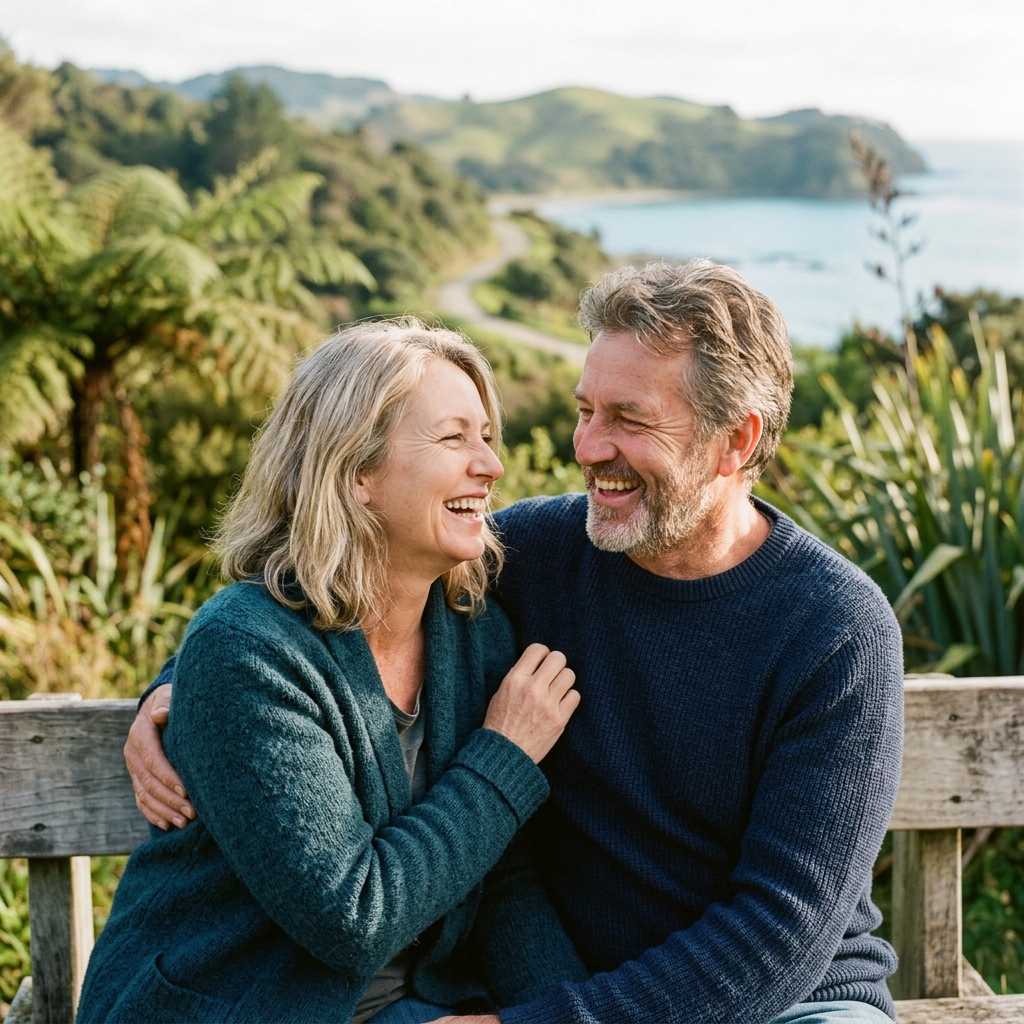

Stepping back into the dating world after a divorce in your 50s can feel like arriving in a foreign country where you only half-remember the language. For many in Aotearoa, the last time you were "single" might have been the era of landlines and physical letters. Now, the landscape has changed, but more importantly, you have changed. Entering this new chapter isn't just about finding a new partner; it is about rediscoverng who you are outside of a decades-long marriage. It is common to feel a mix of liberation and absolute trepidation. You might wonder if you still "have it," or if the effort is even worth the potential for more heartache.
In your 50s, dating carries a different weight than it did in your 20s. Back then, you were likely looking for someone to build a life with—to perhaps buy a first home, start a career, or raise children. Now, your life is already built. You have a history, perhaps adult children, a career, and a set of routines that you actually enjoy. This shift in perspective is your greatest asset. You aren't looking for someone to complete your life's blueprint; you are looking for someone to share the beautiful structure you’ve already created. However, the end of a long-term relationship requires a period of "emotional decommissioning." You cannot simply flip a switch from "married" to "available" without giving your heart and mind time to process the transition.
"The goal isn't just to find someone new, but to ensure you are in a place where you can actually enjoy someone new without the shadows of the past clouding the view."
It is vital to distinguish between the sharp sting of loneliness and the genuine readiness for a new connection. After a divorce, the silence in a house can feel deafening. You might be tempted to jump into dating just to fill the quiet or to prove to yourself (and perhaps your ex-partner) that you are still desirable. But using another person as a bandage for your ego rarely leads to a healthy outcome. Take the time to sit with the silence first. When you can enjoy a coffee alone at a local café in Christchurch or a solo walk along the beach in Mount Maunganui without feeling a desperate need for company, you are likely moving toward true readiness.
The Emotional Blueprint: Rebuilding Confidence and Breaking Old Habits
Years of marriage create deeply ingrained habits. You might be used to compromise being the default, or perhaps you’ve spent years anticipating the needs of a specific person. When you start dating again, these "relationship ghosts" often follow you. You might find yourself inadvertently comparing a new person to your former partner—sometimes for the better, sometimes for the worse. It is important to catch yourself in these moments. Every new person you meet deserves to be seen as an individual, not as a point of comparison to a marriage that has ended. Here are a few things to keep in mind as you rebuild your confidence:
- Acknowledge your growth: You are not the same person you were at 25. You have more wisdom, better boundaries, and a clearer understanding of what makes you happy.
- Check your self-esteem: Divorce can be a massive blow to your sense of self-worth. If you are dating primarily to seek validation, you are giving new people too much power over your happiness.
- Recognise "The Comparison Trap": Avoid looking for the opposite of your ex or, conversely, a carbon copy of their best traits. Stay open to entirely new personalities.
- Update your expectations: Your needs in your 50s—such as companionship, shared values, and emotional stability—might be very different from what you prioritised in your youth.
Starting again doesn't mean you have to jump straight into a serious commitment. In fact, rushing is often a sign that you are trying to bypass the discomfort of being single. Instead, aim for low-pressure interactions. Think of it as "social exploration" rather than "partner hunting." A quick coffee in a busy Ponsonby bistro, a stroll through the Wellington Botanic Garden, or a Sunday morning market visit are perfect ways to gauge chemistry without the intensity of a three-course dinner. These low-stakes meetings allow you to practice your social skills and get a feel for what kind of company you actually enjoy these days.
Warning: Be honest with yourself about what you are looking for. There is no right or wrong answer—whether it’s casual companionship, a travel partner, or a long-term committed relationship—but being dishonest with yourself or your dates about your intentions will only lead to further complications.
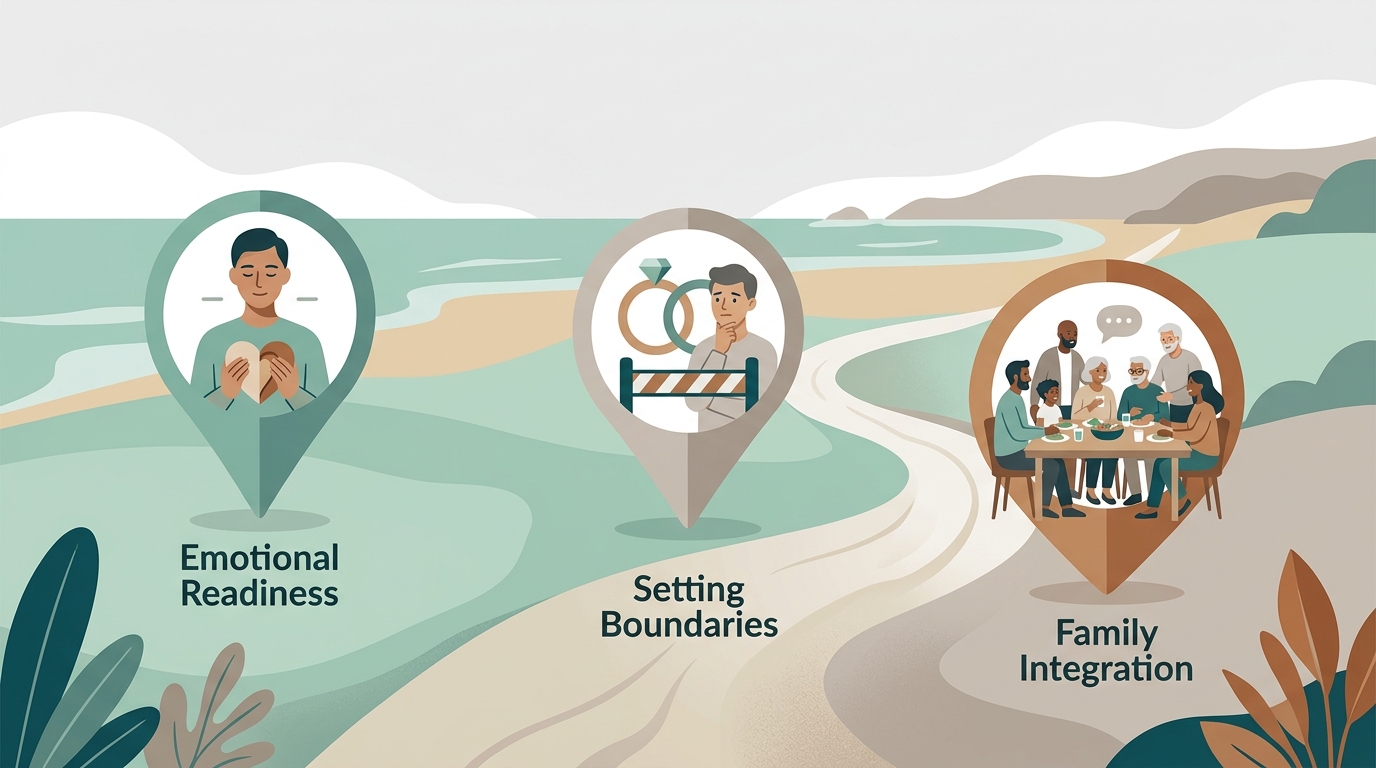
Navigating the New Landscape: Family, Exes, and Emotional Availability
Dating in your 50s in New Zealand often involves a complex web of existing relationships. You likely have adult children, perhaps even grandchildren, and a network of friends who were "couple friends." Then there is the ex-partner. Even if the divorce was amicable, the ongoing practicalities of shared assets or family events mean they are still a presence in your life. This can be a lot for a new person to navigate, and it can be a lot for you to balance. It is crucial to ensure you are emotionally available, which is quite different from being legally divorced. Emotional availability means you have processed the anger, grief, or resentment from your past enough that it doesn't dominate your present conversations.
When it comes to family, the "slow and steady" approach is almost always best. Your adult children may have their own complex feelings about you dating. They might be protective of you or still mourning the family unit they knew. There is no need to introduce a new person to the whole whānau after three dates. Protect your new connection by letting it grow in a private space first. This allows you to see if the relationship has "legs" before you add the pressure of family approval and integrated routines. This patience isn't a lack of commitment; it is a sign of respect for everyone involved.
As you move forward, use the lessons from your previous relationship as a guide, not a cage. You now know your deal-breakers with total clarity. You know how you want to be treated and what kind of communication style works for you. Use this knowledge to set firm boundaries early on. If you notice "red flags" that remind you of unhealthy patterns from your past, trust your gut. The beauty of dating at this age is that you no longer feel the biological or social pressure to "make it work" at all costs. You can afford to be discerning.
Ultimately, dating after divorce in your 50s is an opportunity for a second act that is written entirely by you. Approach it with curiosity rather than urgency. Whether you find a deep new love or simply a few wonderful new friends to explore the local vineyards with, the process itself is a way of reclaiming your life. Take your time, stay open to the unexpected, and remember that a new connection is most successful when it is built on a foundation of self-knowledge and a relaxed heart. Starting slowly isn't just about being cautious; it’s about giving something great the room it needs to breathe and grow naturally.