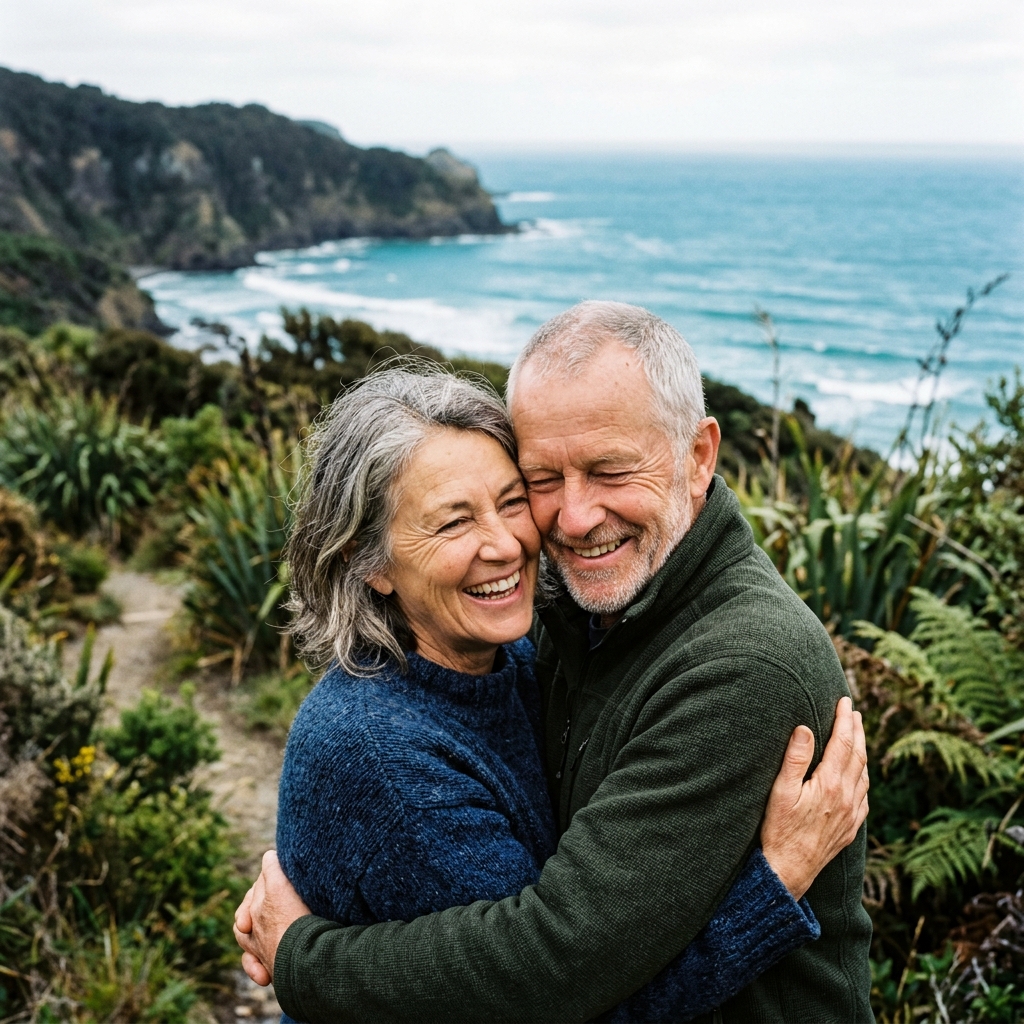
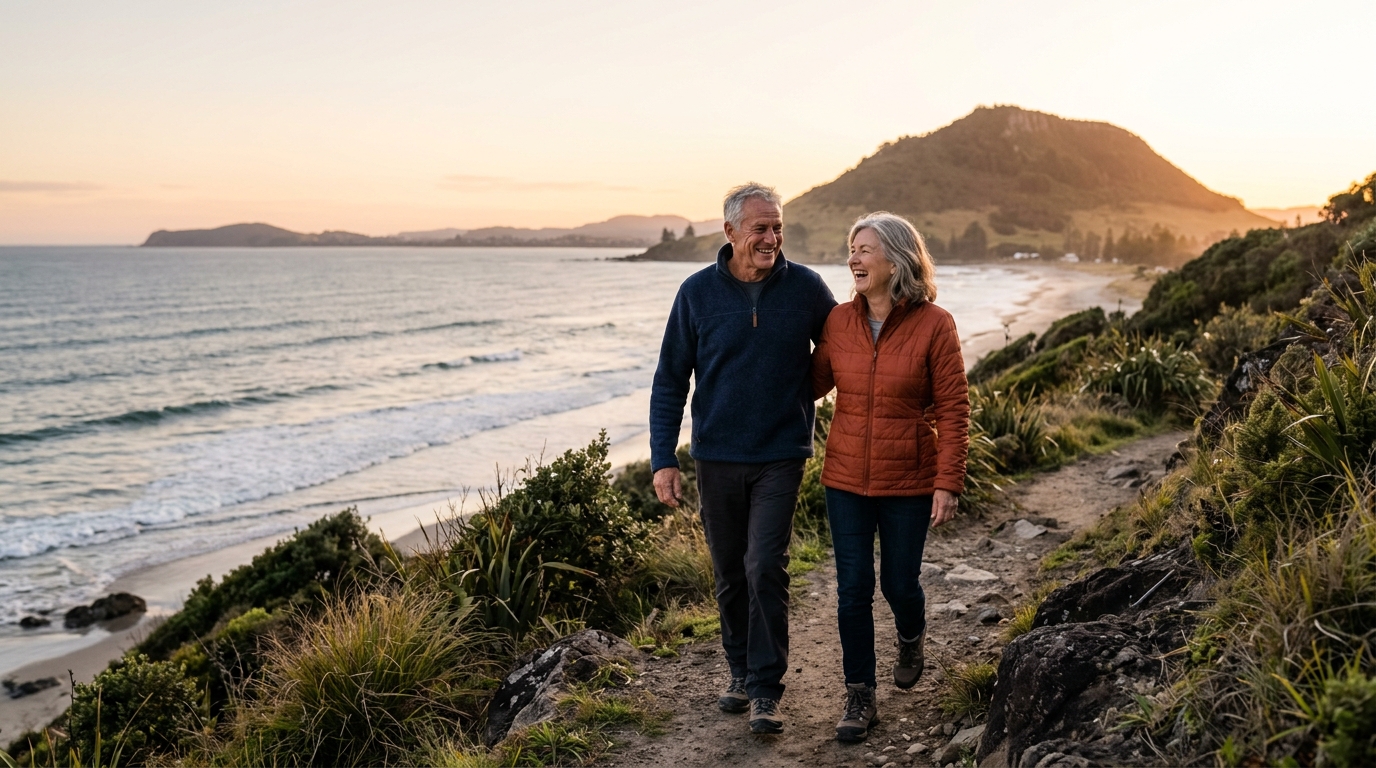
Retirement in New Zealand is often portrayed as a quiet transition into gardening or perhaps finally getting that campervan out on the road to explore the South Island. However, for many Kiwis over 60, finishing their professional careers marks the beginning of a profound personal evolution. When the 9-to-5 structure disappears, the way you view time, energy, and relationships changes. Dating in this phase of life isn't just about finding someone to fill the hours; it’s about building a partnership that fits into a lifestyle you’ve spent decades refining. You are no longer looking for someone to build a future from scratch with, but rather someone who complements the rich, established life you already lead.
Redefining Your Routine and Priorities
In your working years, your schedule was likely dictated by obligations. Now, you have the luxury of choice, but this new-found freedom can be a double-edged sword when entering the dating world. Without the natural social barrier of the workplace, you might find yourself with more time to date, yet also more protective of your peace. It’s essential to understand what you want this stage of your life to look like before trying to fit a new person into it. Are you looking for someone to join you on early morning walks along the Mount Maunganui coastline, or are you looking for a partner to share quiet evenings and intellectual conversation in a cozy home in Dunedin?
- Shifted Priorities: Often, the focus moves away from career goals and long-term financial accumulation toward companionship, emotional support, and shared hobbies.
- The Value of Shared Interests: Whether it’s joining a local tramping club, participating in community garden projects, or attending RSA events, shared activities provide a low-pressure way to meet like-minded people.
- Emotional Maturity: One of the greatest advantages of dating after 60 is life experience. You likely have a clearer understanding of your boundaries and a better ability to communicate your needs than you did in your younger years.
"The goal is not to find someone to complete you, but someone who makes the life you’ve already built even more enjoyable."
Warning: Avoid the trap of assuming that retirement means you or your potential partner have unlimited availability. Everyone has different "retirement styles." One person might want to be a "Grey Nomad," travelling the country indefinitely, while the other might prefer a stable routine centered around local volunteering or family commitments. Discussing these lifestyle visions early on is crucial for long-term compatibility.
Balancing Independence with New Companionship
One of the most significant shifts in later-life dating is the importance of independence. By the time you reach 60 or 70, you have established habits, a preferred way of organizing your kitchen, and a social circle that feels like family. Many New Zealanders find that they aren't looking for a traditional "move-in together" relationship immediately—or perhaps ever. The concept of "Living Apart Together" (LAT) has become increasingly popular, allowing you to enjoy deep emotional intimacy and shared adventures while maintaining your own personal space and autonomy.
Maintaining your own identity is vital. You’ve worked hard for your independence, and a healthy relationship should support that rather than stifle it. This means you don't have to give up your weekly bridge game, your sessions at the local Men’s Shed, or your solo trips to visit the grandkids in Auckland just to accommodate a new partner. Instead, look for a relationship that acts as a "complement" to your life.
When navigating this balance, consider the following:
- Established Habits: Respect that both you and your partner have "your ways" of doing things. Flexibility is key, but so is acknowledging that some habits are part of who you are.
- Friendships: Keep nurturing your existing friendships. A partner should be an addition to your social world, not a replacement for it.
- Personal Space: Whether it’s a dedicated hobby room or just having your own home to retreat to, personal space allows the relationship to breathe.
It is helpful to be upfront about how much togetherness you actually crave. Do you want someone to share every meal with, or are you looking for a "weekend partner" for tramping and dinners? There is no wrong answer, provided both people are on the same page.
Navigating Practicalities and Family Dynamics
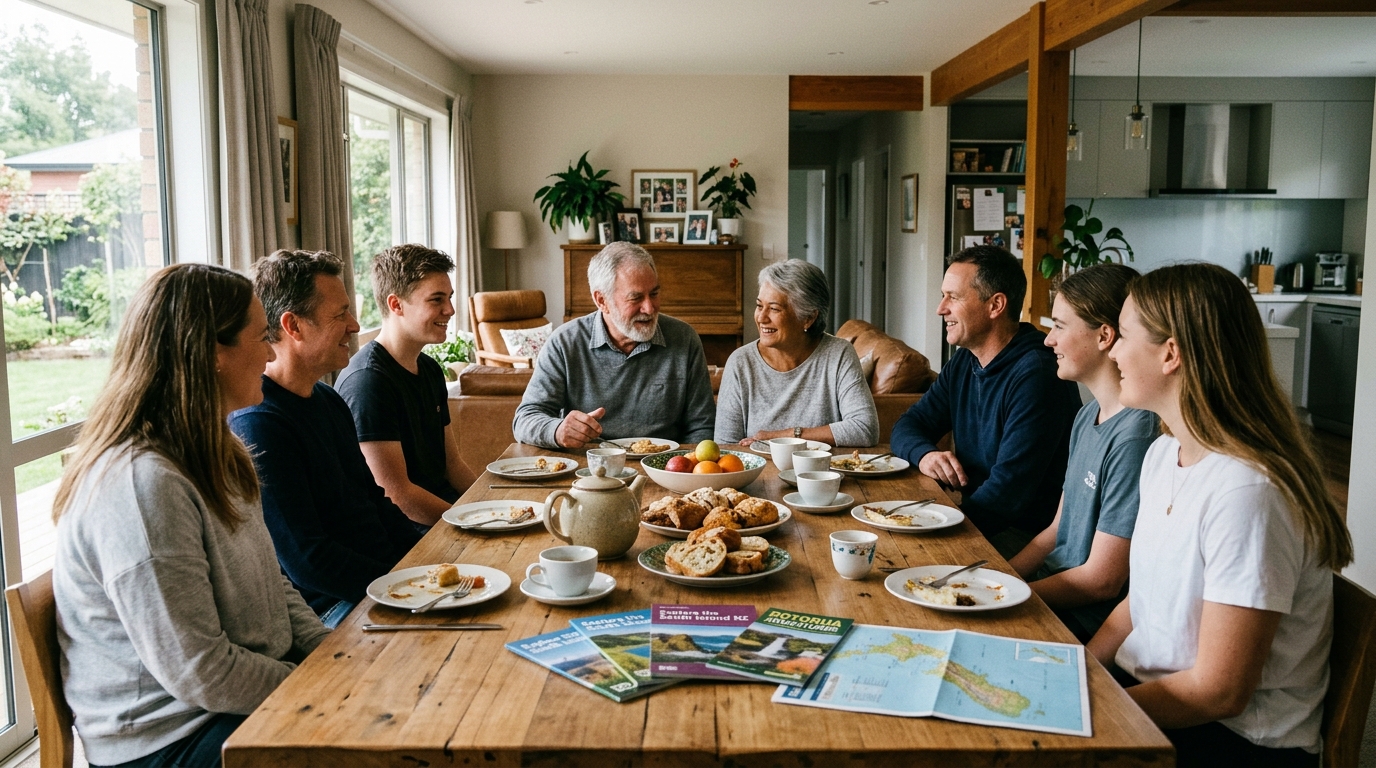
In New Zealand, family is often at the heart of our retirement years. Adult children and grandchildren can play a massive role in how you spend your time. When you start dating after retirement, it’s important to acknowledge that your family commitments might influence your availability. Conversely, your new partner will have their own family web to navigate. Integrating these worlds requires patience and clear communication. You aren't just dating the person; you are, in a sense, interacting with their entire history and family structure.
Practical and financial boundaries also take on a new level of importance. Most people over 60 have spent a lifetime building their "nest egg." Protecting your financial independence is not a sign of a lack of trust; it’s a sensible approach to later-life security. Clear boundaries regarding assets, inheritances, and daily expenses can prevent misunderstandings and keep the focus on the relationship itself rather than on logistical stresses.
- Family Influence: Be open with adult children about your desire to date, but remember that you are an adult entitled to your own happiness.
- Financial Clarity: Discussing how you will handle costs for travel or dining out early on can save awkwardness later.
- Future Planning: Topics like where you want to live long-term or how you feel about aged care are worth discussing once a relationship becomes serious.
Warning: Don't ignore the importance of discussing health and caregiving expectations. While it may not feel romantic, understanding each other's views on health support and aging is a part of a mature, realistic partnership.
Ultimately, dating after retirement is a chance to define a relationship on your own terms, free from the traditional milestones of marriage and child-rearing. It is an opportunity to find someone who shares your zest for this new chapter—whether that involves exploring the vineyards of Marlborough together or simply enjoying the quietude of a shared afternoon in the garden. By focusing on compatibility, maintaining your independence, and communicating openly, you can build a partnership that is as fulfilling as it is flexible.