

Finding Your Own Path: What Connection Looks Like After 60
Reaching your 60s in New Zealand often brings a refreshing sense of clarity. You have likely spent decades navigating the expectations of others—perhaps raising a family in the suburbs of Christchurch, building a career in Wellington, or maintaining a home and garden in the Bay of Plenty. Now, as you look toward a new chapter, the way you approach dating and relationships often shifts from "what should I do" to "what actually makes me happy." After 60, relationship goals become deeply individual. There is no longer a single, prescribed path to follow, and that freedom is something to celebrate.
For some, the desire is for a traditional, committed long-term partnership where lives are fully entwined. For others, the goal is companionship—someone to share a walk along Orewa Beach, a trip to the local cinema, or a Sunday roast, without the complexities of merging finances or households. It is important to remember that neither choice is "better" than the other. Your history—whether you are navigating life after a long-term divorce, the loss of a partner, or years of cherished independence—rightfully shapes what feels comfortable now.
"The most important relationship you have is with yourself; any partner you invite into your life should complement the peace you have already built."
When you start exploring the dating scene again, you might notice that traditional milestones, like moving in together or marriage, feel less urgent. Instead, value is placed on emotional closeness and shared experiences. You might find yourself asking what you actually miss most. Is it the daily conversation over morning tea? Is it having a "plus one" for family gatherings at Christmas? Or is it the deep emotional support that comes with a committed partnership? Understanding these needs is the first step toward finding a compatible match.
- Companionship: Focuses on shared activities, social interaction, and reducing isolation while maintaining high levels of independence.
- Regular Dating: Enjoying the excitement of meeting new people and going out without an immediate focus on the long-term future.
- Emotional Closeness: A deep bond where you share your inner thoughts and feelings, regardless of whether you live under the same roof.
- Committed Partnership: A traditional "all-in" relationship where you plan your lives, finances, and futures together.
Warning: Don't feel pressured to fit into a "serious relationship" box just because your friends or family expect it. If you value your solo routines and your own space, those are valid priorities to protect.
Independence vs. Intimacy: Striking the Right Balance
One of the biggest realisations many Kiwis have after 60 is how much they value their personal space. You’ve worked hard for your independence, and the thought of giving up your own home or changing your established routines can feel daunting. This has led to the rise of "Living Apart Together" (LAT). This model allows you to have a committed, loving relationship while maintaining your own separate residences. It’s a popular choice for those who want to spend their weekends tramping in the Waitakere Ranges with a partner but want to return to their own quiet home during the week.
To understand what you truly want, you need to be honest with yourself about your daily life. Consider how often you realistically want to see a partner. Do you want someone who is there every morning, or are you looking for someone to join you three nights a week? Think about your existing commitments to grandchildren, hobbies like lawn bowls or bridge, and your circle of friends. A new relationship should fit into your life like a missing puzzle piece, not a force that requires you to dismantle the things you already love.
Consider these questions to help clarify your vision:
- How much time do I want to dedicate to a partner versus my own hobbies and solitude?
- Am I open to the idea of moving house in the future, or is my current home my "forever" sanctuary?
- How important is it that my partner is involved with my extended family and adult children?
- What are my non-negotiables regarding lifestyle, such as travel preferences or physical activity levels?
By defining your boundaries early, you save yourself and your potential partners from future heartache. It is much easier to find a match when you know whether you are looking for a travel buddy for a cruise around the South Island or a life partner to share the challenges of aging. Remember, your preferences may evolve. You might start off wanting only light companionship and find that, over time, the person becomes so central to your life that your goals naturally shift toward something more serious.
Communicating Intentions with Clarity and Kindness
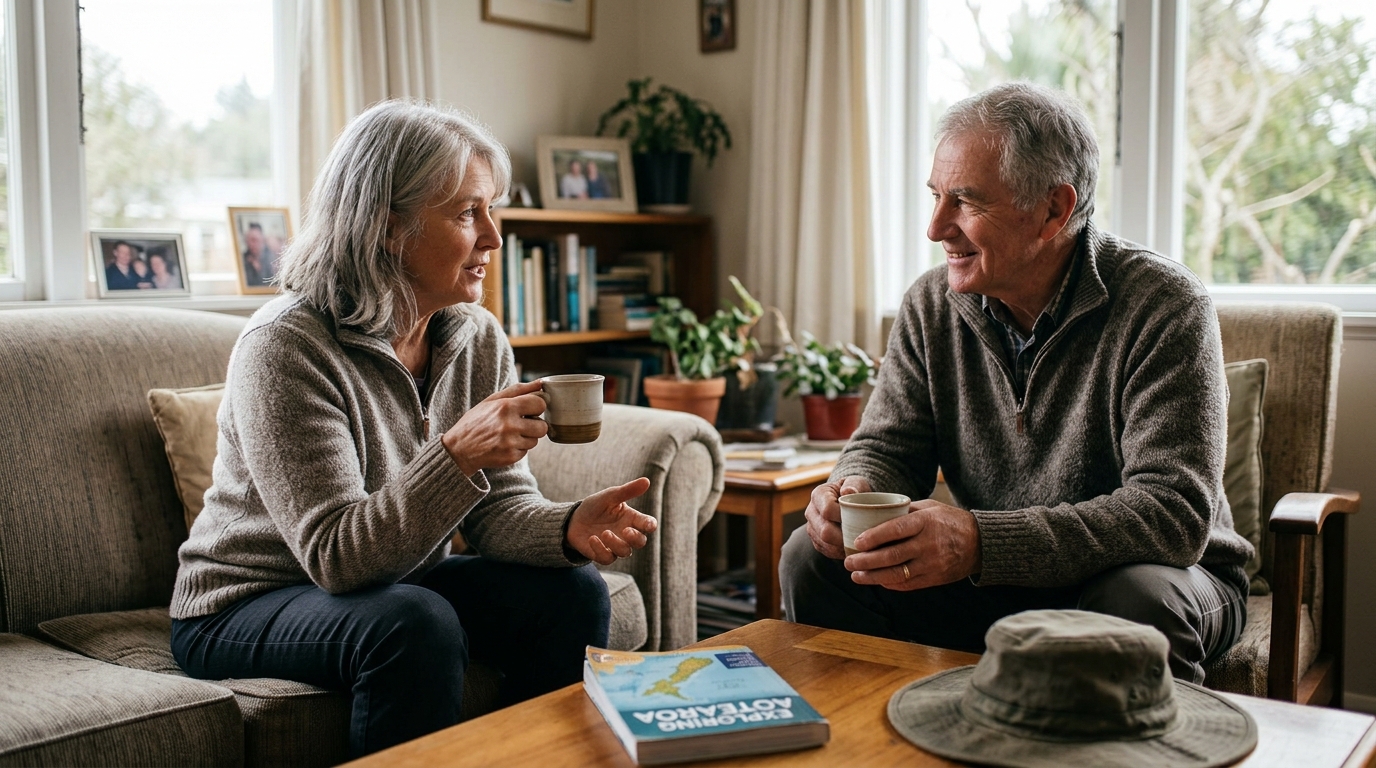
Once you have a better grasp of your own desires, the challenge lies in communicating them. It can feel awkward to talk about "commitment levels" on a first or second date, and you certainly don't want the afternoon to feel like a formal interview at a Queen Street office. However, being transparent about your lifestyle expectations early on prevents misunderstandings. You can keep it light by discussing how you enjoy spending your time and what your "ideal" week looks like. This naturally opens the door for the other person to share their vision too.
Compatibility after 60 is often less about intense physical sparks and more about "lifestyle harmony." Two people can be very much in love but have fundamentally different views on how much time they should spend together. One person might imagine a partner who joins them for every meal, while the other might prioritize their Tuesday night gardening club and Thursday morning coffee with old colleagues. Discussing these practicalities—travel dreams, financial independence, and how you handle family obligations—is essential as the relationship develops.
- Be honest, not rigid: State what you want clearly, but remain open to the possibility that the right person might change your perspective.
- Avoid over-promising: If you know you don't want to live with someone again, don't lead them to believe otherwise just to keep the peace.
- Watch for "Relationship Drift": Periodically check in with each other to ensure your expectations are still aligned as the connection grows.
According to safety guidelines from Netsafe New Zealand, always ensure you are meeting in public places and keeping your personal financial details private during these early stages of getting to know someone. Trust is built over time, through consistent actions and shared honesty.
Ultimately, the goal is to find a connection that enhances your life rather than complicates it. Whether you find yourself looking for a serious partner to share your home with or a companion to share your hobbies, the most successful relationships are built on a foundation of mutual respect for each other's independence. Define your relationship by what feels right to you, here and now, in this beautiful stage of life. When you are clear about your own heart, you are far more likely to find someone whose heart beats to a similar rhythm.