

Dating in your 50s and 60s is a unique adventure. Unlike the dating scene of your 20s, you aren't just looking for someone to build a future with from scratch; you are looking for someone to fit into a life that is already full, rich, and well-established. Whether you are returning to the dating world after a divorce, a long period of being single, or the loss of a partner, the prospect of "merging" lives can feel a bit daunting. You’ve worked hard for your independence, your home, and your routines. The good news? You don’t have to give any of that up to find meaningful companionship.
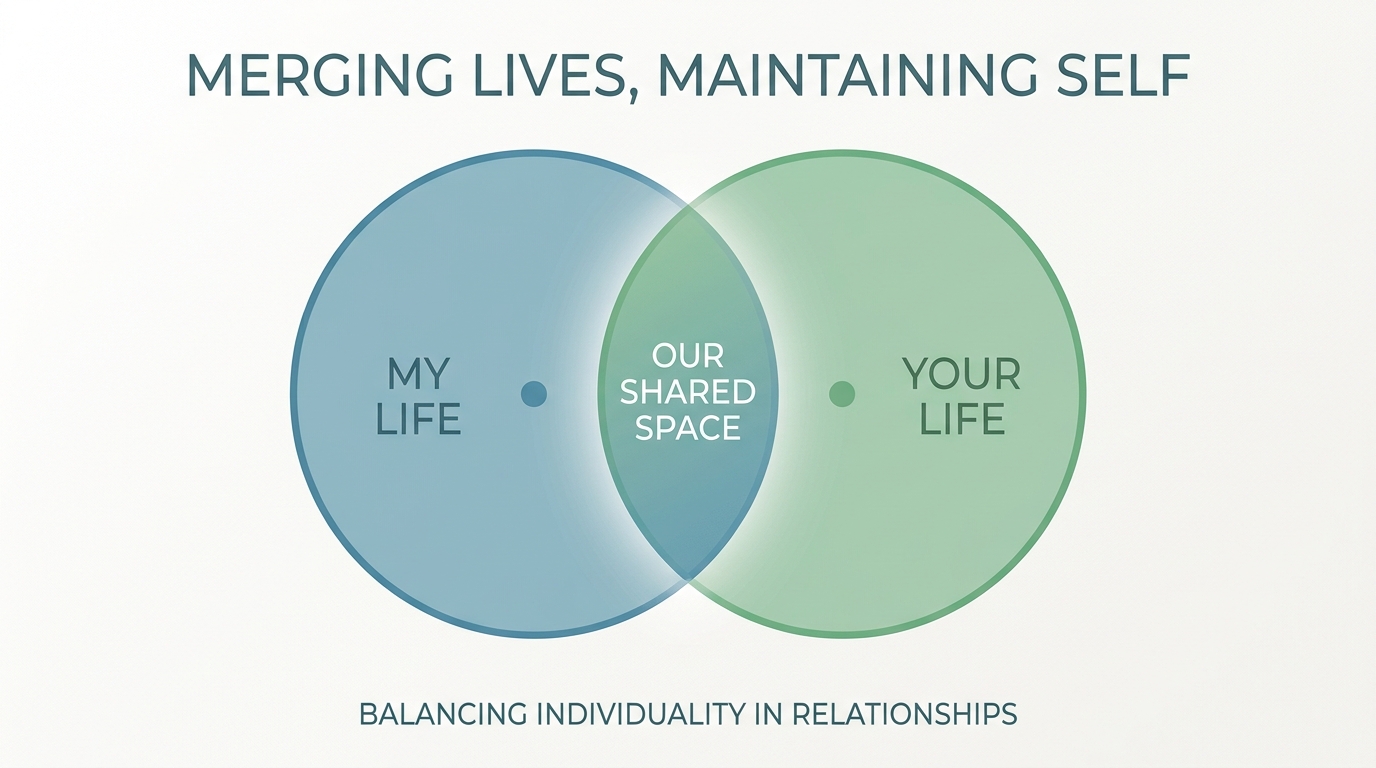
Healthy boundaries are not walls designed to keep people out; they are the gates that let the right people in at the right pace. In Aotearoa, where our social lives often revolve around close-knit communities, family commitments, and a love for the outdoors, being clear about what you need is essential. Setting boundaries allows you to build a connection based on mutual respect rather than obligation, ensuring that a new relationship adds to your life rather than complicating it.
Identifying Your Non-Negotiables Before the First Date
Before you even update your profile or agree to a coffee at your local café, it’s worth taking a moment to sit down and identify what you truly want. Many Kiwis in their 50s and 60s find that their priorities have shifted. You might be more interested in a tramping partner for weekend trips to the Southern Alps than someone to share a mortgage with. Understanding your "non-negotiables" is the first step in protecting your independence.
- Living Arrangements: Are you looking to eventually move in with someone, or are you a fan of "Living Apart Together"? Many mature couples in New Zealand choose to keep their own homes, allowing them to maintain their personal space while enjoying a committed relationship.
- Family Time: If your Sunday mornings are strictly reserved for the grandkids in Auckland or a family brunch, that’s a boundary. A partner should respect your established family roles.
- Financial Autonomy: You’ve spent decades managing your own finances. Protecting your financial privacy is a healthy and necessary boundary.
Being honest about these needs from the start prevents misunderstandings later. If you're feeling a bit unsure about where to begin, reading up on being ready to date again can help you find your footing. Remember, there is no "right" way to date at this age—only the way that feels right for you.
Communication and Emotional Pacing: Trusting the Process
One of the biggest pressures in modern dating is the "always-on" culture of messaging. Just because you have a smartphone doesn't mean you owe anyone an immediate response, especially when you’re busy volunteering at the local op-shop or out with your tramping group. Setting communication boundaries early helps manage expectations and prevents emotional burnout.
"A healthy relationship is built on the quality of connection, not the frequency of text messages."
It is perfectly okay to say, "I’m not a big texter during the day, but I’d love to catch up over a phone call in the evening." This sets a standard for how you wish to be contacted without appearing cold. Similarly, emotional boundaries involve sharing your past at a pace that feels safe. You don't need to disclose every detail of a previous marriage or a bereavement on the first few dates. Trust is earned, not given away freely.
When using digital platforms, it's also vital to maintain your digital boundaries. Netsafe’s advice on safer online dating emphasises the importance of keeping your personal information—like your home address or specific workplace—private until you have met in person and established a baseline of trust. For more specific advice on navigating these early stages, check out our guide on dating over 50 in New Zealand.
Maintaining Your Lifestyle: Don't Cancel the Tramping Trip!
The beauty of dating in your 60s is that you likely have a well-developed set of hobbies and friendships. Whether it’s your weekly bowls game, volunteering for Forest & Bird, or your Friday night catch-ups at the local RSA, these activities are part of who you are. A common mistake is letting these routines slide to make room for a new partner.
How to maintain your independence:
- Keep your existing plans: If you always go away with your friends for a weekend at the bach in February, don't change it for someone you just met. Invite them to a different weekend instead.
- Encourage their independence: A partner who has their own life and hobbies is less likely to become over-reliant on you. This creates a balanced dynamic.
- Separate Social Circles: While it’s lovely to eventually meet each other’s friends, keeping some social time "just for you" is a vital boundary for long-term happiness.
For those navigating the unique transition into post-work life, our guide to dating after retirement offers more insights into building a partnership that complements a life already lived. It’s about finding a "plus-one" for your adventures, not someone to replace the life you’ve built.
Recognising Red Flags and Respecting Consent
Boundaries are only effective if they are respected. If you find yourself dating someone who consistently ignores your requests for space, pressures you for financial help, or makes you feel guilty for spending time with your family, take heed. These are signs of controlling behaviour, not "passionate" interest.
Warning: Be especially cautious of anyone who asks for money, regardless of how convincing their story might be. According to Netsafe’s romance scam warnings and the Consumer Protection NZ scam identification tips, financial pressure is a major red flag in mature dating.
Physical boundaries are equally important. Regardless of your age, mutual consent and comfort levels are the foundation of any physical connection. You should never feel pressured to move faster than you want to, whether that’s a first kiss or something more intimate. A respectful partner will value your comfort over their own expectations.
If your boundaries are repeatedly disregarded after you’ve expressed them clearly and politely, it may be a sign of incompatibility. You have the right to end contact if someone makes you feel unsafe or undervalued. Keeping your safety a priority is paramount; feel free to review our essential safety tips for meeting new people.
Conclusion: The Strength of "No" and the Beauty of "Yes"
Dating in your 50s and 60s is not about "fitting in"—it's about "finding a fit." By setting healthy boundaries, you aren't being difficult; you are being honest. You are telling your potential partner exactly how to love and respect you. This clarity actually makes it easier to build a deep, lasting connection because both people know where they stand.
Remember, your independence is one of your greatest assets. It makes you a more interesting, grounded, and confident partner. So, keep your tramping trips, cherish your time with the grandkids, and protect your peace. When you finally say "yes" to someone, it will be because they truly enhance your life, not because you had to sacrifice yourself to make it work. Happy dating!